What is IOT?

IoT uses a variety of technologies to connect the digital and physical worlds. Physical objects can be embedded with sensors and actuators. Sensors monitor things like temperature or motion, or really any change in environment. Actuators receive signals from sensors and then react to the reported changes. Sensors and actuators communicate with computing systems via wired (for example, Ethernet) or wireless (for example, Wi-Fi or cellular) networks; these computers can monitor or manage the health and actions of connected objects and machines.

Monitoring

Using sencors to monitor temperature , humidity , movement, and any other measured states.

Collecting data

Collected data can be used for concluding the best course of action accordingly

Actuartoring

creating a data based dicision making with computer code makes the data collected valuable

What can IOT do for me?

The potential applications of IoT are vast and varied, and its impact is already being felt across a wide range of industries, including manufacturing, transportation, healthcare, and agriculture

IoT devices are used to monitor a wide range of parameters such as temperature, humidity, air quality, energy consumption, and machine performance. This data can be analyzed in real time to identify patterns, trends, and anomalies that can help businesses optimize their operations and improve their bottom line.

Improved efficiency

IoT devices generate vast amounts of data that can be used to make better-informed business decisions and new business models. By analyzing this data, businesses can gain insights into customer behavior, market trends, and operational performance, allowing them to make more informed decisions about strategy, product development, and resource allocation.

Cost-savings

By reducing manual processes and automating repetitive tasks, IoT can help businesses reduce costs and improve profitability. For example, IoT devices can be used to monitor energy usage and optimize consumption, reducing energy costs and improving sustainability

Enhanced customer experience

By using IoT technology to gather data about customer behavior, businesses can create more personalized and engaging experiences for their customers. For example, retailers can use IoT sensors to track customer movements in stores and deliver personalized offers based on their behavior.sss

What usages are there for IOT?

The constant connectivity that IoT enables, combined with data and analytics, provides new opportunities for companies to innovate products and services, as well as to increase operational efficiency.

Agriculture

IoT devices can be used in agriculture to monitor soil conditions, weather patterns and crop growth. For example, sensors can be used to measure the moisture content of soil, ensuring that crops are irrigated at the optimal time. IoT devices can also be used to monitor livestock health, track equipment and manage supply chains. Low-power or solar-powered devices can often be used with minimal oversight in remote locations.

Healthcare

IoT devices can be used to monitor patients remotely and collect real-time data on their vital signs, such as heart rate, blood pressure and oxygen saturation. This sensor data can be analyzed to detect patterns and identify potential health issues before they become more serious. IoT devices can also be used to track medical equipment, manage inventory and monitor medication compliance.

Retail

In the retail industry, IoT devices can be used to track customer behavior, monitor inventory levels and optimize store layouts. For example, sensors can be used to track foot traffic in a store and analyze customer behavior, allowing retailers to optimize product placement and improve the customer experience. IoT devices can also be used to monitor supply chains, track shipments and manage inventory levels.
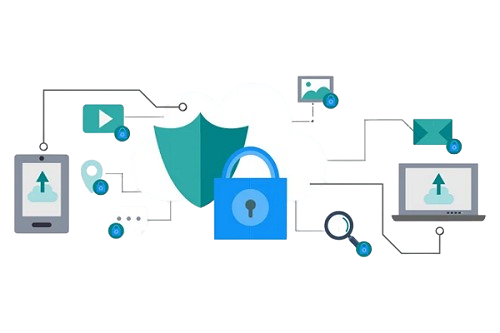
"But I heard from a colleague that IOT devices are not secure and have a demand for high maintanance"

When we bring up IOT , a lot of our customers seem to hold a bias against IOT security ishhues that they have heard about. As IoT devices become more widespread, security and privacy become increasingly important. Many IoT devices are vulnerable to hackers and other cyberthreats, which can compromise the security and privacy of sensitive data. IoT devices can also collect vast amounts of personal data, raising concerns about privacy and data protection.Those concerns are dealt with by inforcing stricked gapped networks and FW barriers, hiding the wi-fi IOT network or controlling those who can connect.

Implementing an IoT system can be costly and complex, requiring significant investments in hardware, software, and infrastructure. Managing and maintaining an IoT system can also be challenging, requiring specialized skills and expertise.

Contact Us

SIGN UP TO OUR NEWSLETTER